How Much Can You Really Save With Solar vs. Utility Bills?
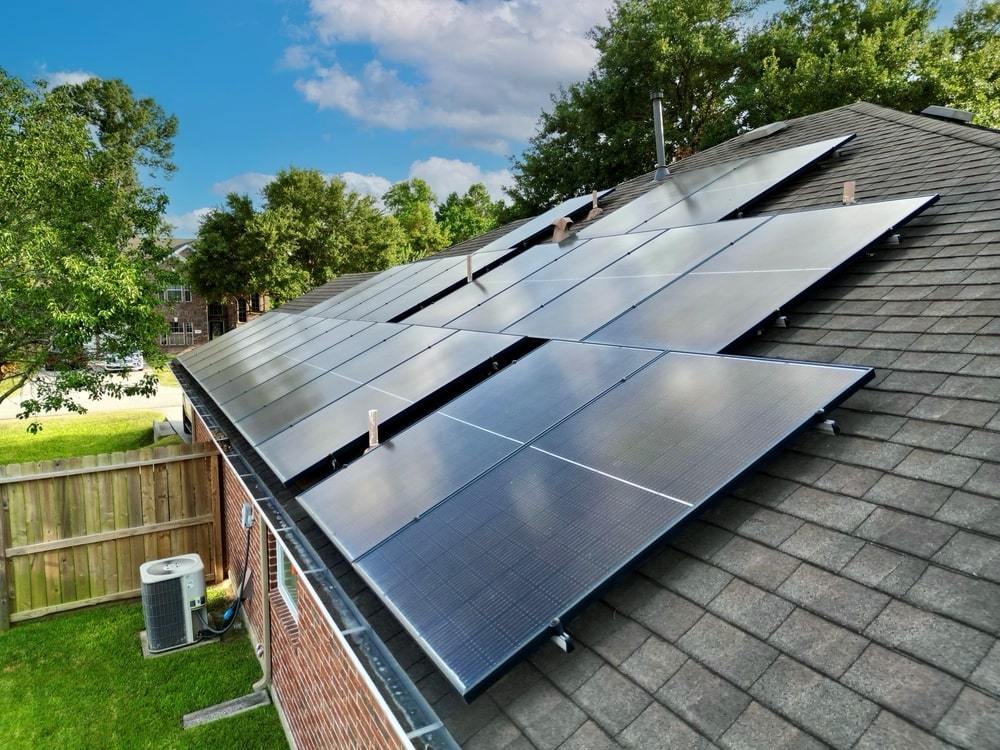
Are you tired of watching your electricity bill climb higher each month? You're not alone. Many homeowners are searching for ways to reduce their energy expenses and gain more control over their budgets. The good news is that solar energy offers a compelling alternative to traditional utility power, and the potential savings can be significant.
Switching to solar power can seem like a big decision, but understanding the long-term financial benefits can make the choice much clearer. By harnessing the sun's energy, you can significantly decrease or even eliminate your reliance on the grid, leading to substantial savings over the lifespan of a solar system. Plus, with the continued advancements in solar technology and various government incentives, going solar is becoming more accessible and affordable than ever.
Here's a quick tip: Before diving into solar, check if your state or local government offers any rebates or tax credits for solar installations. These incentives can drastically reduce the upfront costs and accelerate your return on investment.
Understanding the Upfront Costs of Solar
The initial investment is often the first thing people consider when thinking about solar panels. It's true that installing a solar system requires a significant upfront expenditure, but breaking down the costs can make it less daunting.
The price of a solar system depends on several factors, including the size of your home, your energy consumption, and the type of equipment you choose. Solar panel costs typically range from $3 to $5 per watt before incentives. So, for a standard 6k W system, you might be looking at a cost of $18,000 to $30,000 before any rebates or tax credits.
However, these initial costs shouldn't be viewed in isolation. Consider them an investment that yields returns over time. Furthermore, financing options like solar loans and leases can help spread out the costs, making solar more accessible to homeowners with varying budgets. Many solar companies also offer payment plans that allow you to pay off your system over a period of years, often with monthly payments that are lower than your current electricity bill.
Factors Affecting Solar System Costs
System Size: The larger your energy needs, the bigger the system you'll require, and the higher the initial cost. Conduct an energy audit to understand your usage. Panel Type: Different types of solar panels have varying efficiencies and price points. Monocrystalline panels are generally more efficient but also more expensive than polycrystalline panels. Installation Complexity: Roof angle, shading, and the complexity of your home's electrical system can impact installation costs. Inverter Type: String inverters are more affordable, while microinverters, which optimize each panel individually, come at a higher cost. Permitting and Inspection Fees: Local governments charge fees for permits and inspections to ensure the solar installation meets safety standards. Battery Storage: Adding battery storage increases the cost but provides backup power during outages and can further reduce reliance on the grid.
How Solar Reduces Your Electricity Bills
The most direct way solar saves you money is by reducing your reliance on your utility company. Solar panels generate electricity during the day, which can power your home. The electricity you generate reduces the amount you need to purchase from the grid, resulting in lower monthly bills.
In many cases, a solar system can generate more electricity than a home consumes, especially during peak sunlight hours. Net metering policies allow homeowners to send this excess electricity back to the grid, and the utility company credits their account. These credits can then be used to offset electricity usage at night or on cloudy days, further reducing your bills and potentially even eliminating them altogether.
The amount you save depends on factors such as your energy consumption, the size of your solar system, and your local utility rates. However, many homeowners report saving hundreds or even thousands of dollars per year by switching to solar.
Understanding Net Metering
Net metering is a crucial factor in determining how much you can save with solar. It's essential to understand your local utility's net metering policies to maximize your savings. Some utilities offer full retail rate credit for excess energy, while others offer a lower rate, known as the avoided-cost rate. Understanding these policies will help you accurately estimate your savings and determine the optimal size for your solar system.
It's also worth noting that some utilities are moving away from net metering towards other compensation models, such as net billing or buy-all, sell-all programs. In these models, you may not receive full credit for the electricity you send back to the grid. Research the specific policies in your area to get an accurate picture of your potential savings.
Long-Term Savings and ROI of Solar
While the upfront costs of solar might seem daunting, the long-term savings and return on investment (ROI) can be substantial. Over the lifespan of a solar system, which is typically 25-30 years, the cumulative savings can far outweigh the initial investment.
In addition to reduced electricity bills, solar can also increase the value of your home. Studies have shown that homes with solar panels sell for more than comparable homes without solar. This added value can provide an additional return on your investment if you decide to sell your home in the future.
Furthermore, solar energy helps reduce your carbon footprint and contributes to a cleaner environment. By generating your own electricity from a renewable source, you're helping to reduce reliance on fossil fuels and mitigate the effects of climate change.
Calculating Your Solar ROI
Calculating your solar ROI involves considering several factors, including the upfront cost of the system, the annual savings on your electricity bill, any tax credits or rebates you receive, and the expected lifespan of the system.
Here's a simplified formula to estimate your ROI: Total Savings = (Annual Electricity Savings x System Lifespan) + Increase in Home Value - Net Cost of System ROI = (Total Savings / Net Cost of System) x 100
For example, if a $20,000 solar system saves you $1,500 per year on your electricity bill and increases your home value by $10,000 over a 25-year lifespan, your total savings would be ($1,500 x 25) + $10,000 - $20,000 = $27,500. Your ROI would then be ($27,500 / $20,000) x 100 =
137.5%.
Keep in mind that this is a simplified calculation, and the actual ROI may vary depending on your specific circumstances. Consult with a solar professional to get a more accurate estimate based on your energy consumption, location, and available incentives.
Government Incentives and Tax Credits
One of the most significant factors in reducing the cost of solar is the availability of government incentives and tax credits. These programs are designed to encourage the adoption of renewable energy and can significantly lower the upfront cost of a solar system.
The federal solar tax credit, also known as the Investment Tax Credit (ITC), allows homeowners to deduct a percentage of the cost of their solar system from their federal taxes. This credit can significantly reduce the net cost of going solar, making it more affordable for homeowners.
In addition to the federal tax credit, many states and local governments offer additional incentives, such as rebates, tax credits, and grants. These incentives can further reduce the cost of solar and accelerate your return on investment. Be sure to research the specific incentives available in your area to maximize your savings.
Maximizing Your Incentives
To take full advantage of available incentives, it's essential to understand the eligibility requirements and application procedures. Some incentives may have income restrictions or require that you meet certain energy efficiency standards.
It's also important to note that some incentives are non-refundable, meaning that you can only claim the credit up to the amount of your tax liability. If the credit exceeds your tax liability, you won't receive the full benefit. However, some states offer transferable tax credits, which allow you to sell any unused credits to other taxpayers.
Here are a few common questions people ask:
Will Solar Panels Increase My Property Taxes?
In many states, installing solar panels doesnotincrease your property taxes. Many states have enacted laws that exempt solar energy systems from property tax assessments, recognizing the public benefits of renewable energy. Check with your local tax assessor to confirm the policies in your area.
How Long Do Solar Panels Last?
Most solar panels come with a 25-30 year warranty, guaranteeing that they will produce a certain percentage of their original output for that period. While the panels may gradually degrade over time, they will likely continue to generate electricity for many years beyond the warranty period.
What Happens When I Move?
If you move, you have a few options regarding your solar system. You can sell your home with the solar panels, which can increase its value and attract buyers who are interested in renewable energy. You can also take the solar panels with you, although this may involve additional costs for removal and reinstallation. Finally, you can negotiate with the buyer to transfer the ownership of the solar system to them.
Making the switch to solar energy is a significant step toward energy independence and financial savings. By understanding the costs, benefits, and available incentives, you can make an informed decision about whether solar is right for you. It's an investment that not only saves you money but also contributes to a more sustainable future for everyone. With the right planning and information, you can confidently embrace the power of the sun and enjoy the long-term financial and environmental rewards.
Posting Komentar untuk "How Much Can You Really Save With Solar vs. Utility Bills?"