Solar Power vs. Fossil Fuels: Which Is More Affordable?
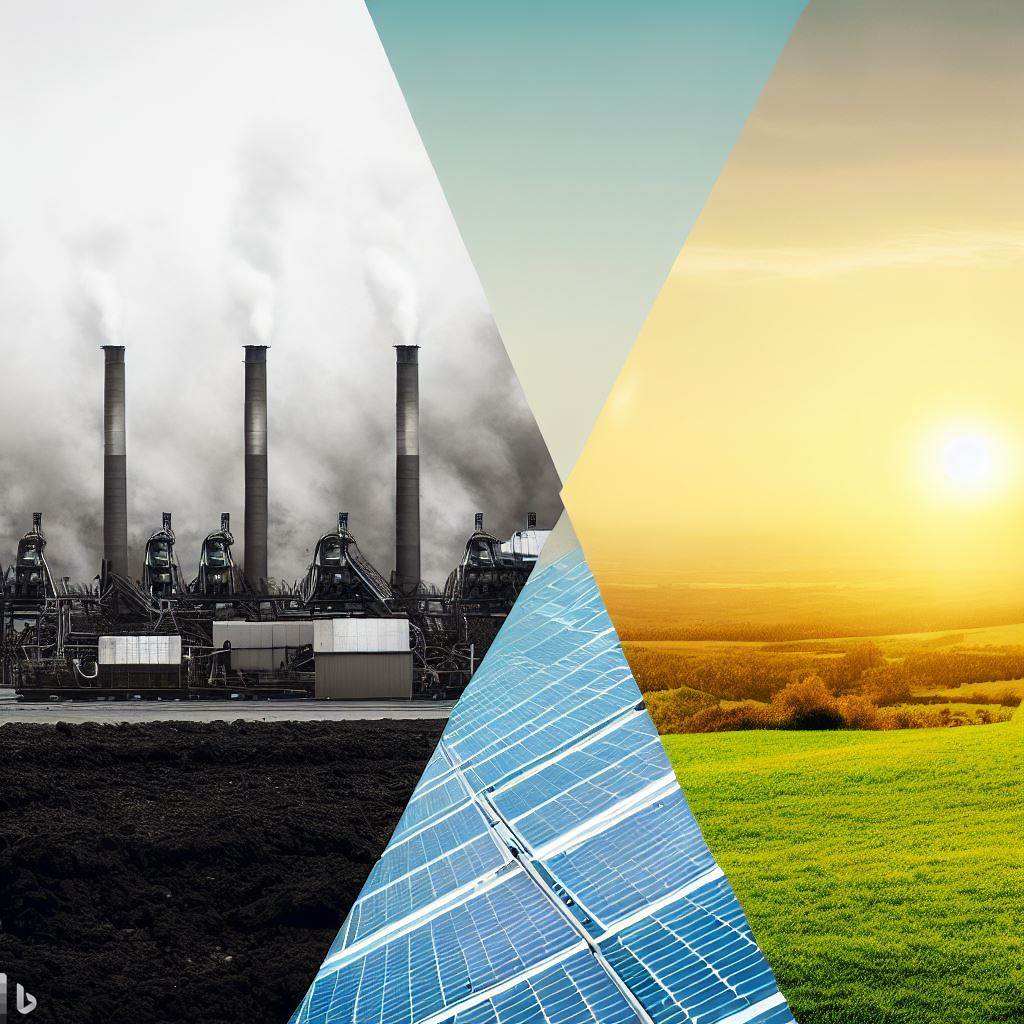
Think about your electricity bill. It goes up, it goes down, but it never really seems to stay down for long, does it? Wouldn’t it be great to have more control over those costs, while also contributing to a healthier planet? That’s why more people are asking about the real costs of how we power our lives, and specifically, if clean, renewable energy like solar can truly compete with traditional fossil fuels.
The comparison between solar power and fossil fuels boils down to more than just dollars and cents. It's about long-term financial benefits, environmental impact, and even energy independence. We need to look beyond the initial price tags to understand the true affordability of each energy source.
Here's a quick insight: While the upfront investment for a solar panel system can seem daunting, many homeowners don't realize that government incentives, like the federal solar tax credit, can significantly reduce that initial cost, making solar a much more accessible option.
Understanding the Upfront Costs
The most obvious difference between solar and fossil fuels lies in the initial investment. Fossil fuel energy doesn’t require you to buy anything upfront. You simply pay for the electricity you consume each month. Solar, on the other hand, requires an investment in solar panels, inverters, and installation. This upfront cost can be a significant barrier for some homeowners.
However, it's crucial to break down these expenses. The price of solar panels has plummeted in recent years, making them far more affordable than they once were. Furthermore, various financing options, such as solar loans and leases, can help spread the cost over time. It’s also important to consider the lifespan of a solar panel system, which can be 25 years or more.
With fossil fuels, there is no upfront cost but also no return on investment. You’re simply paying for a service each month, with no long-term asset to show for it.
Examining the Ongoing Expenses
Once a solar panel system is installed, the ongoing expenses are typically very low. Solar panels require minimal maintenance, usually just an occasional cleaning to remove dirt and debris. The biggest ongoing cost might be a small fee for grid connection, depending on your utility company's policies, or potentially replacing the inverter after 10-15 years.
Fossil fuels, on the other hand, come with consistent monthly expenses that can fluctuate significantly depending on market conditions and geopolitical events. These fluctuations make it difficult to predict your energy costs from month to month, creating financial uncertainty. The cost of natural gas, coal, and oil can be highly volatile, impacting your electricity bill.
Moreover, fossil fuel plants often require costly infrastructure maintenance and upgrades, which are ultimately passed on to consumers through higher electricity rates. Solar, once installed, offers a much more predictable and stable energy cost.
Government Incentives and Rebates
Government incentives play a huge role in making solar power more affordable. The federal solar tax credit, for example, allows homeowners to deduct a significant percentage of the cost of their solar panel system from their federal taxes. Many states and local governments also offer additional rebates, tax credits, and other incentives, further reducing the financial burden of going solar.
These incentives can dramatically change the economics of solar power, making it a much more attractive option compared to fossil fuels. It's essential to research the specific incentives available in your area to accurately assess the true cost of solar. A qualified solar installer can help you navigate these incentives and ensure you receive all the benefits you're entitled to.
Fossil fuels, conversely, often benefit from government subsidies that keep prices artificially low. However, these subsidies are increasingly under scrutiny as governments worldwide prioritize renewable energy and climate change mitigation.
The Environmental Cost Factor
While difficult to quantify in strict monetary terms, the environmental costs of fossil fuels are substantial and far-reaching. Burning fossil fuels releases greenhouse gasses into the atmosphere, contributing to climate change, air pollution, and other environmental problems. These environmental problems can lead to health issues, property damage, and other economic consequences.
Solar power, on the other hand, is a clean, renewable energy source that produces no greenhouse gas emissions during operation. By switching to solar, you can significantly reduce your carbon footprint and contribute to a healthier environment. While the manufacturing of solar panels does have some environmental impact, it is far less than the impact of extracting, transporting, and burning fossil fuels.
Ultimately, the environmental costs of fossil fuels are borne by society as a whole, while the environmental benefits of solar power accrue to everyone.
Long-Term Savings and Return on Investment
When evaluating the affordability of solar versus fossil fuels, it's crucial to consider the long-term savings and return on investment. While the initial cost of solar may be higher, the long-term savings can be substantial. Once your solar panel system is paid off, you'll essentially be generating free electricity for years to come.
Depending on your location, energy consumption, and utility rates, a solar panel system can pay for itself in as little as 5-10 years. After that, you'll be saving money on your electricity bill every month. In some cases, you may even be able to sell excess electricity back to the grid, generating additional income.
Fossil fuels, on the other hand, offer no long-term return on investment. You'll continue to pay for electricity every month, with no end in sight. As fossil fuel prices continue to rise, your electricity bills will likely increase as well.
Home Value Considerations
Installing solar panels can actuallyincreasethe value of your home. Studies have shown that homes with solar panels sell for more than comparable homes without solar panels. This is because buyers are increasingly interested in energy-efficient homes that can save them money on their utility bills.
A solar panel system can be a valuable asset that makes your home more attractive to potential buyers. It can also give you a competitive edge in the real estate market.
Fossil fuels, on the other hand, have no impact on home value. Your reliance on fossil fuel-generated electricity is simply a recurring expense that buyers will have to factor into their budget.
Energy Independence and Security
Solar power offers a degree of energy independence and security that fossil fuels cannot match. When you generate your own electricity with solar panels, you are less reliant on the grid and vulnerable to power outages or price fluctuations.
In the event of a grid outage, a solar panel system with battery storage can provide backup power to keep your lights on and appliances running. This can be especially valuable in areas prone to storms or other natural disasters.
Fossil fuels, on the other hand, are subject to geopolitical instability and supply disruptions. This can lead to price spikes and energy shortages, leaving consumers vulnerable. By investing in solar power, you can take control of your energy future and reduce your dependence on unpredictable energy markets.
Making the Right Choice for Your Needs
Ultimately, the choice between solar power and fossil fuels depends on your individual circumstances and priorities. If you're looking for the lowest upfront cost, fossil fuels may seem like the more affordable option. However, if you're willing to make an initial investment in exchange for long-term savings, environmental benefits, and energy independence, solar power may be the better choice.
It's essential to carefully consider all the factors involved, including upfront costs, ongoing expenses, government incentives, environmental impact, and long-term savings. A qualified solar installer can help you assess your energy needs and determine if solar is the right fit for your home.
People Also Ask
How long do solar panels last?
Most solar panels come with a 25-year warranty, guaranteeing that they will produce a certain amount of electricity for at least that long. In reality, solar panels can last even longer, with many systems still operating efficiently after 30 or 40 years. The lifespan of a solar panel system depends on several factors, including the quality of the panels, the installation, and the environmental conditions.
What happens to solar panels at the end of their lifespan?
While solar panels are durable and long-lasting, they will eventually reach the end of their lifespan. Fortunately, solar panels can be recycled, and the materials can be used to make new products. Solar panel recycling is a growing industry, and there are now several companies that specialize in recycling solar panels. As more and more solar panels reach the end of their lifespan, recycling will become an increasingly important part of the solar industry.
How does solar power affect the electricity grid?
Solar power can have both positive and negative effects on the electricity grid. On the one hand, solar power can help reduce the strain on the grid during peak demand periods, when electricity prices are typically highest. On the other hand, solar power can also create challenges for grid operators, as the output of solar panels can fluctuate depending on weather conditions. To address these challenges, grid operators are investing in new technologies and strategies to integrate solar power more effectively into the grid.
It’s easy to feel good about a decision that benefits both your wallet and the planet. By carefully weighing the costs and benefits of each energy source, you can make an informed decision that aligns with your financial goals and environmental values. Solar energy has the power to transform how we live and power our world, one rooftop at a time.
Posting Komentar untuk "Solar Power vs. Fossil Fuels: Which Is More Affordable?"