Solar vs. Coal: Which Energy Source Wins on Cost?
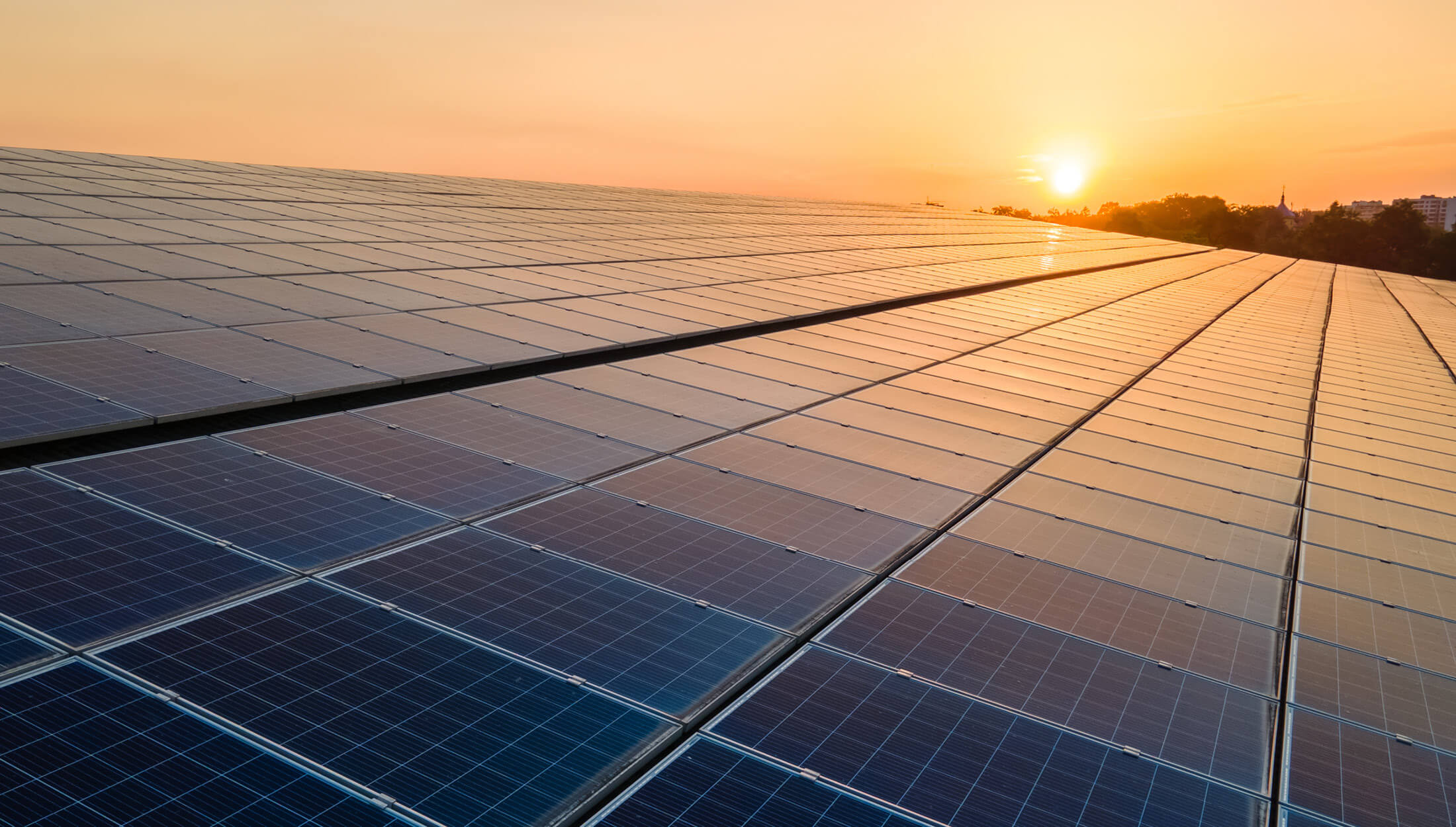
Imagine a world powered by clean, affordable energy, free from the dark clouds of pollution and the volatile prices of fossil fuels. It's not just a dream; it's a rapidly approaching reality, and the key lies in understanding the true costs of our energy choices.
The debate over energy sources often boils down to economics: Which option delivers the most power for the least money? For decades, coal seemed like the undisputed champion of cheap electricity. But the landscape is changing, and solar power is emerging as a strong contender, challenging the long-held assumptions about energy costs and sustainability. Understanding these cost dynamics is critical for homeowners, businesses, and policymakers alike as we navigate the transition to a cleaner energy future.
Here's a quick insight: Solar energy costs have plummeted over the past decade, making it competitive with—and often cheaper than—coal-fired power, especially when considering the long-term operational costs and environmental impact. Now, let's dive into a detailed comparison of the financial factors at play.
The Upfront Costs: Solar vs. Coal
When evaluating the cost of energy, it's essential to look at both the initial investment and the long-term expenses. In the case of coal, the upfront costs are substantial, involving the construction of a power plant, infrastructure for coal transportation, and environmental safeguards. Solar energy also requires an initial investment for manufacturing and installing solar panels, inverters, and related equipment.
Coal Plant Construction Costs
Building a new coal-fired power plant is a multi-billion dollar undertaking. The expenses include land acquisition, engineering, procurement, construction, and commissioning. These costs can vary depending on the plant's size, location, and technology used, such as whether it incorporates carbon capture and storage (CCS) systems. The addition of CCS, while reducing carbon emissions, significantly increases the capital expenditure of a coal plant.
Solar Installation Costs
The initial cost of solar energy revolves around the price of solar panels, inverters, racking systems, and the labor required for installation. Solar panel prices have fallen dramatically in recent years due to technological advancements, economies of scale, and increased manufacturing capacity. This decline has made solar energy more accessible and affordable for homeowners, businesses, and utility-scale projects. Installation costs also vary depending on the size and type of system. For example, a residential rooftop solar system will have different installation costs than a large-scale solar farm. Furthermore, government incentives like tax credits and rebates can significantly reduce the upfront investment for solar installations, sweetening the deal further.
Long-Term Expenses: Fuel, Maintenance, and Operation
Beyond the initial investment, the long-term costs associated with each energy source play a significant role in determining its overall economic viability. For coal, these expenses primarily involve fuel procurement, plant maintenance, and waste disposal. Solar energy, on the other hand, boasts minimal fuel costs and lower maintenance requirements.
The Ongoing Costs of Coal
Coal-fired power plants require a constant supply of coal to operate, making fuel costs a significant and ongoing expense. Coal prices can fluctuate based on supply and demand, transportation costs, and geopolitical factors, adding uncertainty to the long-term cost of coal-based electricity. Additionally, coal plants require regular maintenance to ensure efficient operation and prevent breakdowns. This maintenance includes repairing and replacing equipment, managing waste products like ash, and complying with environmental regulations. These costs can add up significantly over the plant's lifespan.
The Minimal Maintenance of Solar
One of the most attractive features of solar energy is its low operating and maintenance costs. Once a solar system is installed, it requires minimal upkeep. Solar panels have no moving parts, reducing the risk of mechanical failures and the need for frequent repairs. Routine maintenance typically involves occasional cleaning to remove dirt and debris and periodic inspections to ensure optimal performance. Unlike coal plants, solar farms don't require fuel purchases or waste disposal, resulting in significantly lower long-term expenses.
External Costs: Accounting for Environmental and Health Impacts
The true cost of energy extends beyond the direct financial expenses to include external costs such as environmental damage and public health impacts. These costs are often not reflected in the price of electricity but are borne by society as a whole. When these factors are considered, solar energy gains an even greater advantage over coal.
The Environmental Toll of Coal
Coal combustion releases harmful pollutants into the atmosphere, including greenhouse gases, sulfur dioxide, nitrogen oxides, and particulate matter. These pollutants contribute to climate change, air pollution, and respiratory illnesses. The environmental costs associated with coal include the impacts of climate change, such as rising sea levels, extreme weather events, and disruptions to ecosystems. Air pollution from coal plants leads to increased healthcare costs, reduced productivity, and premature deaths. Additionally, coal mining can cause significant environmental damage, including habitat destruction, water pollution, and soil erosion.
The Green Benefits of Solar
Solar energy is a clean and renewable energy source that produces no air or water pollution during operation. Solar panels generate electricity without emitting greenhouse gases, helping to mitigate climate change and reduce the environmental impact of energy production. By reducing reliance on fossil fuels, solar energy can improve air quality, protect public health, and conserve natural resources. Furthermore, solar energy can enhance energy security by diversifying energy sources and reducing dependence on imported fuels.
Levelized Cost of Energy (LCOE): Comparing Apples to Apples
To accurately compare the cost of different energy sources, energy analysts use a metric called the Levelized Cost of Energy (LCOE). The LCOE represents the total cost of building and operating a power plant over its lifetime divided by the total electricity generated. This metric allows for a fair comparison of different technologies by taking into account both upfront and ongoing costs.
How LCOE Works
The LCOE calculation includes all relevant costs, such as capital expenditures, fuel costs, operating and maintenance expenses, and financing costs. It also considers the plant's capacity factor, which is the percentage of time the plant is generating electricity at its maximum capacity. The LCOE is expressed in dollars per megawatt-hour ($/MWh), providing a standardized metric for comparing the cost of different energy sources.
Solar's Declining LCOE
Over the past decade, the LCOE of solar energy has fallen dramatically, making it increasingly competitive with traditional energy sources. This decline is due to falling solar panel prices, improved technology, and increased economies of scale. In many regions, the LCOE of solar energy is now lower than that of coal, making it a more economically attractive option for new power generation.
Government Incentives and Policies: Leveling the Playing Field
Government incentives and policies play a crucial role in shaping the economics of energy sources. Tax credits, subsidies, and regulations can significantly impact the cost competitiveness of solar energy and coal. By creating a level playing field, governments can encourage the adoption of cleaner energy sources and accelerate the transition to a sustainable energy future.
Supporting Solar with Incentives
Many countries and states offer tax credits, rebates, and other incentives to encourage solar energy adoption. These incentives can reduce the upfront cost of solar installations, making them more affordable for homeowners and businesses. Feed-in tariffs, which guarantee a fixed price for solar electricity fed back into the grid, can provide a stable revenue stream for solar energy producers. Additionally, net metering policies allow solar customers to receive credit for excess electricity they send back to the grid, further reducing their energy bills.
Regulations Impacting Coal
Environmental regulations can increase the cost of coal-fired power by requiring plants to install pollution control equipment and comply with emissions standards. Carbon taxes, which put a price on carbon emissions, can make coal-fired power more expensive and less competitive with cleaner energy sources. Regulations on coal mining can also increase costs by requiring companies to restore mined land and mitigate environmental damage.
Frequently Asked Questions (FAQ)
Is solar energy always cheaper than coal?
While solar energy has become increasingly cost-competitive, the economics can vary depending on location, financing options, and government incentives. In many regions with abundant sunlight and supportive policies, solar is now cheaper than coal. However, in areas with less sunlight or limited incentives, the cost comparison may be closer.
What about the cost of energy storage for solar power?
One of the challenges of solar energy is its intermittency. Solar panels only generate electricity when the sun is shining, which means that energy storage is needed to provide a reliable power supply. Battery storage systems can add to the cost of solar energy, but prices are declining rapidly. As battery technology improves and costs come down, energy storage will become more affordable and widespread, further enhancing the competitiveness of solar energy.
How do energy costs affect consumers?
Energy costs directly impact household budgets and business expenses. Lower energy costs can lead to lower electricity bills for consumers and increased profitability for businesses. By choosing affordable energy sources like solar, consumers and businesses can save money and reduce their carbon footprint.
The choice between solar and coal is no longer just an environmental one; it's an economic imperative. As technology advances and the true costs of fossil fuels become clear, solar energy is poised to become the dominant energy source of the future. By embracing solar, we can create a cleaner, more sustainable, and more affordable energy system for all.
Posting Komentar untuk "Solar vs. Coal: Which Energy Source Wins on Cost?"