How Solar Power Cuts Long-Term Costs Better Than Traditional Energy
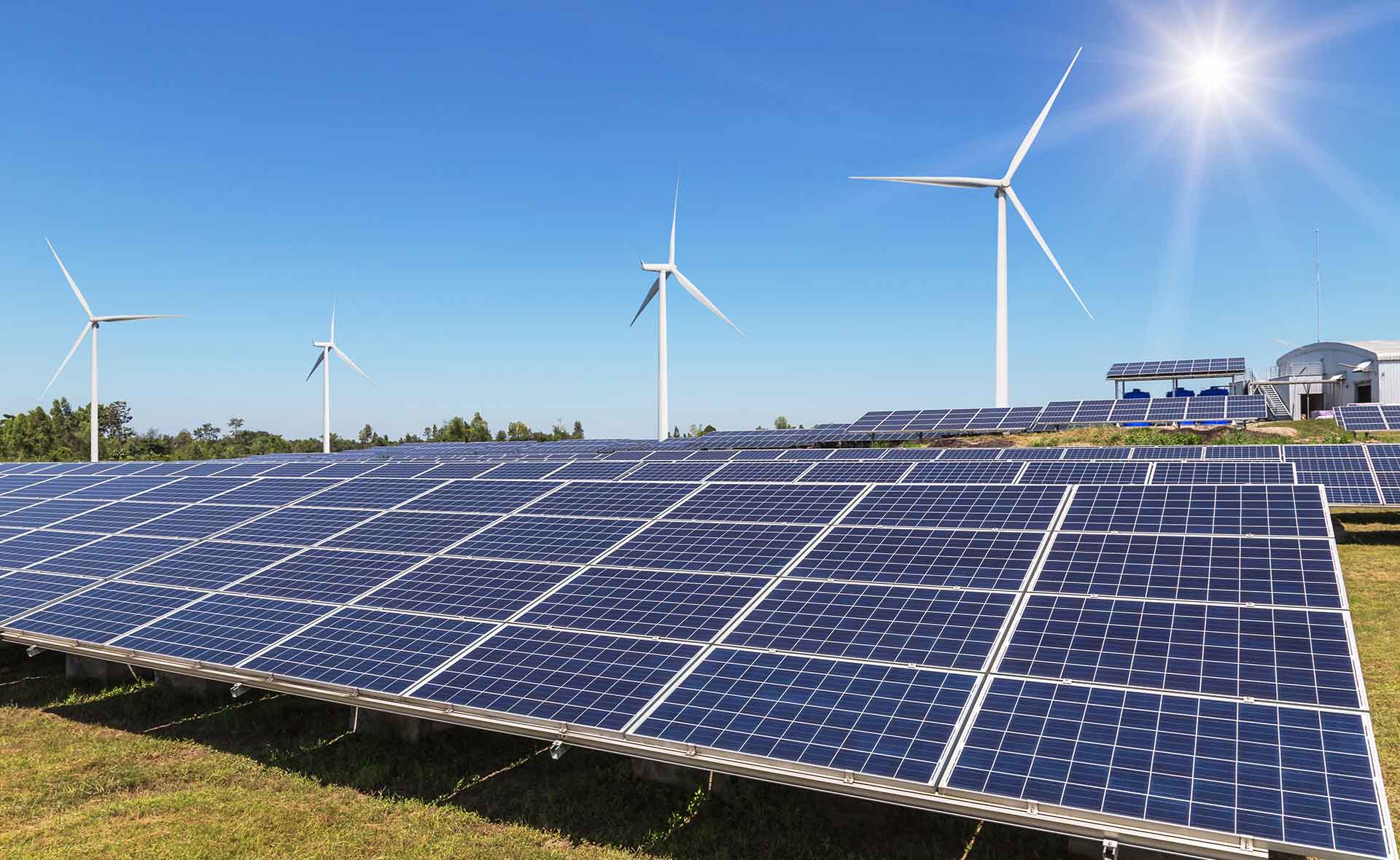
Imagine a future where your energy bill doesn't spike unexpectedly, a future where you're less vulnerable to the fluctuating prices of fossil fuels. That future is closer than you think, and it's powered by the sun.
Harnessing solar power is more than an environmental feel-good choice; it's a savvy financial decision that can significantly reduce your long-term expenses. While the initial investment might seem daunting, the savings and benefits that solar energy provides over its lifespan far outweigh the costs associated with traditional energy sources. It’s about making a strategic shift from being a consumer to a producer of your own power.
Here's a quick tip: Explore local and federal solar tax incentives and rebates. These programs can substantially reduce your initial investment, making solar even more accessible and affordable.
Understanding the Upfront Investment
One of the biggest hurdles for homeowners considering solar power is the upfront cost. Purchasing and installing solar panels involves expenses such as the panels themselves, inverters, mounting hardware, and labor. These costs can vary depending on the size of the system, the type of panels used, and the complexity of the installation.
However, it's important to view this as an investment, not just an expense. Think of it like buying a car – there's an initial cost, but that car provides transportation for years to come, potentially saving you money on public transport or ride-sharing in the long run. Similarly, a solar system provides energy for decades, offsetting your reliance on traditional electricity and shielding you from rising utility rates.
Financing Options
To ease the financial burden, several financing options are available for solar installations: Solar Loans: These are specific loans designed to finance solar panel systems. They often come with competitive interest rates and flexible repayment terms. Home Equity Loans or Lines of Credit (HELOCs): If you have equity in your home, you can borrow against it to fund your solar project. Power Purchase Agreements (PPAs): With a PPA, you don't actually own the solar panels. Instead, a third-party company installs and maintains the system on your property, and you pay them for the electricity it generates at a predetermined rate. Leases: Similar to PPAs, solar leases allow you to use a solar system without owning it. You make monthly payments to the leasing company.
The Long-Term Savings of Solar Power
The real magic of solar energy lies in its long-term cost-saving potential. Once your system is installed and running, it starts generating electricity, reducing or even eliminating your monthly electricity bill.
Reduced or Eliminated Electricity Bills
The most obvious benefit is the significant reduction, or even elimination, of your monthly electricity bill. The amount you save will depend on the size of your solar system, your energy consumption habits, and the amount of sunlight your property receives. However, even a small solar system can make a noticeable dent in your energy costs.
Net Metering and Selling Excess Energy
Many utility companies offer net metering programs. With net metering, any excess electricity your solar panels generate is sent back to the grid. In return, you receive credits on your electricity bill, further reducing your costs. In some cases, if you generate more electricity than you use, you may even receive a payment from the utility company.
Protection from Rising Electricity Rates
Traditional energy sources, such as fossil fuels, are subject to price fluctuations due to market conditions, geopolitical events, and supply and demand. These fluctuations can lead to unpredictable and rising electricity rates. Solar power provides a hedge against these price increases. Once you've invested in a solar system, your energy costs are largely fixed, providing long-term price stability and peace of mind.
Increased Property Value
Studies have shown that homes with solar panels often have a higher resale value than comparable homes without solar. Buyers are increasingly attracted to the idea of lower energy bills and a smaller carbon footprint, making solar panels a desirable feature.
Solar vs. Traditional Energy: A Cost Comparison
To truly understand the financial advantages of solar, let's compare it to traditional energy sources:
| Feature | Solar Power | Traditional Energy |
|---|---|---|
| ------------------- | -------------------------------------------- | --------------------------------------------- |
| Upfront Cost | Higher initial investment | Lower initial cost |
| Monthly Bills | Lower or eliminated | Consistent and potentially rising |
| Fuel Costs | No fuel costs | Fuel costs subject to market fluctuations |
| Maintenance Costs | Relatively low | Can be unpredictable depending on grid issues |
| Environmental Impact | Environmentally friendly | Negative environmental impact |
| Long-Term Savings | Significant savings over the system's lifespan | Limited savings |
As you can see, while traditional energy may seem cheaper upfront, the long-term costs associated with fuel, fluctuating rates, and environmental impact can quickly add up. Solar power, on the other hand, offers long-term price stability, environmental benefits, and significant savings over the system's lifespan.
Dispelling Common Myths About Solar Power
There are several misconceptions about solar power that often deter people from investing in it. Let's debunk a few of the most common myths: Myth: Solar panels don't work on cloudy days. While solar panels do generate less electricity on cloudy days, they still produce power. Modern solar panels are designed to capture diffuse sunlight, so even on overcast days, they can contribute to your energy needs. Myth: Solar panels require a lot of maintenance. Solar panels are remarkably durable and require very little maintenance. Most systems come with warranties that cover any potential issues. Typically, all you need to do is occasionally rinse them off to remove any dirt or debris. Myth: Solar power is too expensive. As discussed earlier, while the upfront cost of solar may seem high, the long-term savings and financial incentives make it a worthwhile investment. Solar panel prices have also decreased significantly in recent years, making it more affordable than ever. Myth: Solar panels will damage my roof. Professional solar installers ensure that the panels are properly mounted to your roof, without causing any damage. In fact, solar panels can actually protect your roof from the elements, potentially extending its lifespan.
Real-Life Examples of Solar Savings
To illustrate the real-world impact of solar power, let's look at a few examples: The Johnson Family: The Johnsons installed a 6k W solar system on their home. Before solar, their average monthly electricity bill was $200. After solar, their bill dropped to $20, saving them $180 per month. Over the 25-year lifespan of the system, they are projected to save over $50,000. The Smith Business: Smith business installed a 50k W solar system on the roof of their commercial building. This allowed them to significantly reduce their dependence on the grid and their operating costs. They now save roughly $1,200 per month and were able to take advantage of local tax rebates.
These examples demonstrate the tangible financial benefits of solar power. By investing in solar, you can take control of your energy costs and secure a more sustainable and financially secure future.
###People Also Ask:
What happens if I move?
You have several options if you move. You can include the solar panels in the sale of your home, which can increase its value. Alternatively, you may be able to transfer the lease or PPA to the new homeowner. In some cases, you can even remove the solar panels and take them with you to your new home.
How long do solar panels last?
Most solar panels come with a 25-year performance warranty, which guarantees that they will produce a certain percentage of their original output for at least 25 years. However, solar panels can often last much longer than that, with some systems still generating power after 30 or 40 years.
What are the environmental benefits of solar power?
Solar power is a clean, renewable energy source that produces no greenhouse gas emissions. By switching to solar, you can reduce your carbon footprint and help combat climate change. Solar power also reduces our reliance on fossil fuels, which are finite resources that contribute to air and water pollution.
Making the shift to solar is an empowering choice. It's about taking control of your energy future and investing in a technology that benefits both your wallet and the planet. As you explore your options, remember that every step you take towards solar is a step towards a brighter, more sustainable tomorrow.
Posting Komentar untuk "How Solar Power Cuts Long-Term Costs Better Than Traditional Energy"