How I Made Room for Hobbies in My Living Room
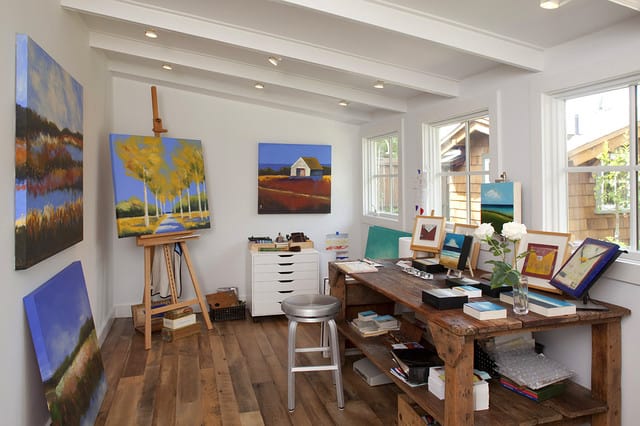
My living room used to be a graveyard of good intentions, dominated by a sofa that seemed to multiply in size overnight and a coffee table perpetually buried under a mountain of remote controls and half-finished magazines. I dreamed of painting, knitting, and finally learning the ukulele, but the sheer chaos of my living space zapped my motivation faster than you can say "creative block." Sound familiar?
The biggest hurdles I faced were definitely underestimating how much space hobbies actually demand and struggling with effective organization. It’s easy to think a small corner will suffice for that pottery wheel or sewing machine, only to discover tools and materials slowly encroaching on every available surface. Another common issue is the “out of sight, out of mind” trap. Stashing everything away in a closet might seem like a good solution initially, but it often leads to forgotten hobbies and a renewed cycle of clutter. And let’s be honest, dedicating time to enjoyable pursuits can feel almost…selfish? Especially when faced with the endless demands of daily life.
The turning point came when I realized my living room wasn’t just a place for watching TV; it could be a dynamic, multi-functional space reflecting my passions and nurturing my creativity. The first step was a ruthless decluttering session. I’m talking Marie Kondo-level ruthless. Anything that didn't spark joy (or serve a truly practical purpose) had to go. Next, I had to get creative with storage solutions. Think vertically! Shelving units that reach the ceiling are your best friend. I invested in attractive baskets and bins to keep my hobby supplies organized and easily accessible. The key is to make everything visible and appealing, so you’re actuallyexcitedto use it. Finally, I carved out designated zones within the living room: a painting corner near the window with ample natural light, a cozy knitting nook with a comfortable armchair and good lighting, and even a small area for practicing my ukulele (earplugs for the neighbors are optional!).
Looking back, the most important things I learned were to be intentional with my space, prioritize functionality without sacrificing aesthetics, and most importantly, to give myself permission to pursue the hobbies that bring me joy. It's not about having a perfectly curated space; it's about creating a living environment that inspires you to create, learn, and grow.
How I Made Room for Hobbies in My Living Room: What You Need to Know
Creating a dedicated hobby space within your living room requires careful consideration of your lifestyle, the types of hobbies you enjoy, and the overall aesthetic of your home. It's not simply about squeezing a craft table into a corner; it's about thoughtfully integrating your passions into your existing living space. Before diving into the practical aspects, take a moment to reflect on your hobbies. Are they messy? Do they require specific lighting or ventilation? Do they involve bulky equipment or numerous small tools? Understanding the unique needs of your chosen activities is crucial for creating a functional and enjoyable space. For example, if you enjoy painting, you'll need a well-lit area, storage for paints and brushes, and a surface that's easy to clean. If you're into sewing, you'll need a sewing machine, fabric storage, and a cutting table. Consider the noise level too. A pottery wheel or a musical instrument might require some sound dampening to avoid disturbing other household members or neighbors. Think about multi-purpose furniture that can easily transform from a coffee table to a workspace, or a bookcase that can double as a display for your finished projects. The key is to be strategic and adaptable, making the most of your available space without compromising on style or comfort.
Expert Tips for How I Made Room for Hobbies in My Living Room
One of the biggest mistakes people make is trying to force a hobby into a space that simply isn't suitable. Instead of trying to cram a large loom into a tiny corner, consider scaling down your project or finding a more appropriate space. Embrace vertical storage solutions to maximize space and minimize clutter. Tall shelving units, wall-mounted organizers, and even hanging baskets can be incredibly effective for storing tools, materials, and finished projects. Opt for clear storage containers so you can easily see what you have on hand. This will not only make it easier to find what you need but also prevent you from buying duplicates. Good lighting is essential for any hobby space, especially those that require precision work. Invest in a good quality task lamp that provides bright, focused light without glare. Natural light is always preferable, so try to position your hobby area near a window if possible. Don't be afraid to get creative with your furniture. A folding table can be easily stored away when not in use, while a rolling cart can be moved around the room as needed. Consider using a room divider or a screen to create a dedicated hobby zone within your living room. This will help to visually separate your hobby area from the rest of the living space, creating a sense of focus and tranquility. Finally, remember that your hobby space should be a reflection of your personality and interests. Don't be afraid to add personal touches, such as artwork, plants, or decorative items that inspire you.
Latest Trends Related to How I Made Room for Hobbies in My Living Room
The rise of "hobby rooms" and dedicated creative spaces within the home has fueled several exciting trends in interior design and organization. One prominent trend is the focus on biophilic design, which incorporates natural elements like plants, natural light, and organic materials to create a calming and inspiring environment. Think potted plants on shelves, a small indoor herb garden near a sunny window, or furniture made from sustainable wood. Another trend is the use of modular furniture, which allows you to easily reconfigure your space to suit your changing needs. Modular shelving units, desks, and storage containers can be customized to fit your specific hobbies and the dimensions of your living room. Minimalism continues to be a popular trend, with a focus on decluttering and creating a streamlined, clutter-free space. This doesn't mean sacrificing your hobbies; it simply means being intentional about what you keep and how you organize it. Multi-functional furniture is also gaining traction, with pieces that can serve multiple purposes, such as a coffee table that doubles as a storage chest or a sofa that converts into a crafting station. Color psychology is another trend to consider when designing your hobby space. Certain colors are known to evoke specific emotions, so choose colors that will inspire creativity and focus. For example, blue is often associated with calmness and focus, while yellow is associated with creativity and optimism. Finally, the use of technology is becoming increasingly prevalent in hobby spaces. Smart lighting systems, voice-activated assistants, and online tutorials can all enhance your creative experience.
Common Mistakes to Avoid in How I Made Room for Hobbies in My Living Room
A common pitfall is underestimating the visual impact of your hobby area on the overall aesthetic of your living room. Piling supplies haphazardly in a corner can quickly turn a stylish space into an eyesore. The key is to integrate your hobby elements seamlessly into the existing decor. Consider using storage containers that complement the color scheme and style of your living room. Another mistake is neglecting proper ventilation. If your hobby involves paints, solvents, or other potentially harmful substances, ensure adequate ventilation to prevent the buildup of fumes. Open a window or invest in an air purifier. Ignoring ergonomics can also lead to discomfort and even injury. Make sure your workspace is at the right height, and that you have adequate support for your back and wrists. Consider investing in an adjustable chair and a footrest. Procrastination is another common enemy. It's easy to put off organizing your hobby supplies or decluttering your workspace, but this will only make it harder to get started on your projects. Set aside some time each week to tidy up your hobby area and get rid of any clutter. Overspending on supplies is a trap many crafters fall into. It's tempting to buy every new gadget or tool that catches your eye, but it's important to be mindful of your budget. Before making a purchase, ask yourself if you really need it and if you'll actually use it. Finally, neglecting to personalize your hobby space can make it feel sterile and uninviting. Add personal touches, such as artwork, photos, or decorative items that reflect your personality and interests. This will make your hobby area a more enjoyable and inspiring place to spend time.
How to Style How I Made Room for Hobbies in My Living Room for Different Occasions
The beauty of integrating your hobbies into your living room is that you can adapt the space to suit different occasions. For a cozy movie night, transform your knitting nook into a comfortable viewing area by adding extra cushions, blankets, and dimmed lighting. Bring out your latest knitting project and settle in for a relaxing evening. If you're hosting a crafting party, create a collaborative workspace by rearranging your furniture and setting up individual workstations for each guest. Provide ample supplies and snacks, and encourage everyone to share their skills and ideas. For a romantic date night, transform your painting corner into a mini art studio. Set up easels, canvases, and paints, and create a collaborative painting together. Play some soft music and enjoy the process of creating art together. For a casual gathering with friends, transform your ukulele practice area into a mini jam session space. Invite your friends to bring their instruments and play some music together. Provide snacks and drinks, and let the good times roll. During the holidays, decorate your hobby space with festive decorations. Add twinkling lights, garlands, and ornaments to create a festive and inviting atmosphere. Showcase your holiday-themed projects, such as hand-knitted scarves or painted ornaments. For a productive work-from-home day, transform your hobby space into a focused workspace. Clear away any distractions, set up your laptop and other essential tools, and create a dedicated work zone. Use noise-canceling headphones to block out distractions and stay focused on your tasks. The key is to be flexible and adaptable, transforming your hobby space to suit the needs of the occasion. With a little creativity and planning, you can create a space that's both functional and stylish.
Materials, Sustainability, and Design in How I Made Room for Hobbies in My Living Room
When creating a hobby space in your living room, consider the materials you choose for both your furniture and your craft supplies. Opt for sustainable and eco-friendly materials whenever possible. For furniture, look for pieces made from recycled wood, bamboo, or other renewable resources. Choose fabrics made from organic cotton, linen, or hemp. For craft supplies, opt for non-toxic paints, dyes, and adhesives. Use recycled paper and cardboard for your projects. Reduce waste by reusing and repurposing materials whenever possible. Turn old t-shirts into yarn, use scrap fabric for quilting, and repurpose glass jars for storage. Support local artisans and craft suppliers who prioritize sustainability and ethical sourcing. Design your hobby space with a focus on functionality and aesthetics. Choose furniture and storage solutions that are both practical and visually appealing. Consider the color scheme and lighting to create a space that's both inspiring and relaxing. Incorporate natural elements, such as plants and natural light, to create a calming and welcoming atmosphere. Personalize your hobby space with artwork, photos, and other decorative items that reflect your personality and interests. Create a space that's both functional and beautiful, a place where you can relax, create, and express yourself. When designing your hobby space, think about the impact your choices have on the environment and on the people who make and supply your materials. Choose materials and products that are sustainable, ethical, and environmentally friendly. By making conscious choices, you can create a hobby space that's both beautiful and responsible.
Shopping Guide: Choosing the Right How I Made Room for Hobbies in My Living Room
Choosing the right furniture and storage solutions is crucial for creating a functional and stylish hobby space in your living room. Start by assessing your needs and the specific requirements of your hobbies. Consider the size of your living room and the amount of space you have available. Look for multi-functional furniture that can serve multiple purposes. A coffee table with built-in storage, a sofa that converts into a crafting station, or a bookshelf that doubles as a display case are all great options. Choose storage containers that are both practical and aesthetically pleasing. Clear plastic bins, woven baskets, and decorative boxes can all help to keep your hobby supplies organized and out of sight. Invest in a good quality task lamp that provides bright, focused light without glare. Consider a floor lamp with an adjustable arm or a desk lamp that can be clamped onto a table. Look for furniture and storage solutions that complement the existing decor of your living room. Choose colors, materials, and styles that blend seamlessly with your existing furniture and accessories. Don't be afraid to mix and match different styles to create a unique and personalized look. Shop around and compare prices before making a purchase. Look for sales, discounts, and coupons to save money. Consider buying used furniture or storage containers to save even more money. Online marketplaces and thrift stores are great places to find affordable and unique items. Before making a purchase, read reviews and check the return policy. Make sure you're comfortable with the quality and functionality of the item before committing to a purchase. Finally, don't be afraid to ask for help. Consult with a professional interior designer or organizer for advice on how to create a functional and stylish hobby space in your living room.
Frequently Asked Questions About How I Made Room for Hobbies in My Living Room
Q: How do I deal with limited space in my living room?
A: Embrace vertical storage solutions! Utilize tall shelving units, wall-mounted organizers, and hanging baskets to maximize space without taking up valuable floor area. Multi-functional furniture is also key; think storage ottomans, coffee tables with hidden compartments, and desks that fold away when not in use.
Q: What if my hobby is messy?
A: Designate a specific "mess zone" with durable, easy-to-clean surfaces. Use spill-proof storage containers and invest in a good quality vacuum cleaner or broom. Consider using a drop cloth or protective mat to prevent damage to your flooring.
Q: How do I keep my hobby space from looking cluttered?
A: The key is consistent organization. Implement a system for storing and organizing your supplies, and stick to it. Put things back in their place after each use, and declutter regularly to get rid of anything you no longer need. Clear storage containers allow you to see what you have at a glance, preventing overbuying and wasted materials.
Q: How can I make my hobby space feel inspiring?
A: Personalize it! Add artwork, photos, or decorative items that reflect your personality and interests. Choose colors that evoke creativity and focus. Incorporate natural elements, such as plants and natural light, to create a calming and welcoming atmosphere. Make it a space you genuinely enjoy spending time in.
Conclusion of How I Made Room for Hobbies in My Living Room
Transforming my living room into a multi-functional space that accommodates both relaxation and creative pursuits wasn't an overnight success. It was a process of trial and error, experimentation, and continuous refinement. But the result—a vibrant, inspiring space that nourishes my passions—has been well worth the effort. I've learned that creating room for hobbies isn't just about rearranging furniture; it's about prioritizing my well-being and making space for the things that bring me joy. It's about creating a home that truly reflects who I am and what I love. And that, to me, is the ultimate definition of a well-lived space.
Posting Komentar untuk "How I Made Room for Hobbies in My Living Room"