How to Organize Cords Without Buying Anything New
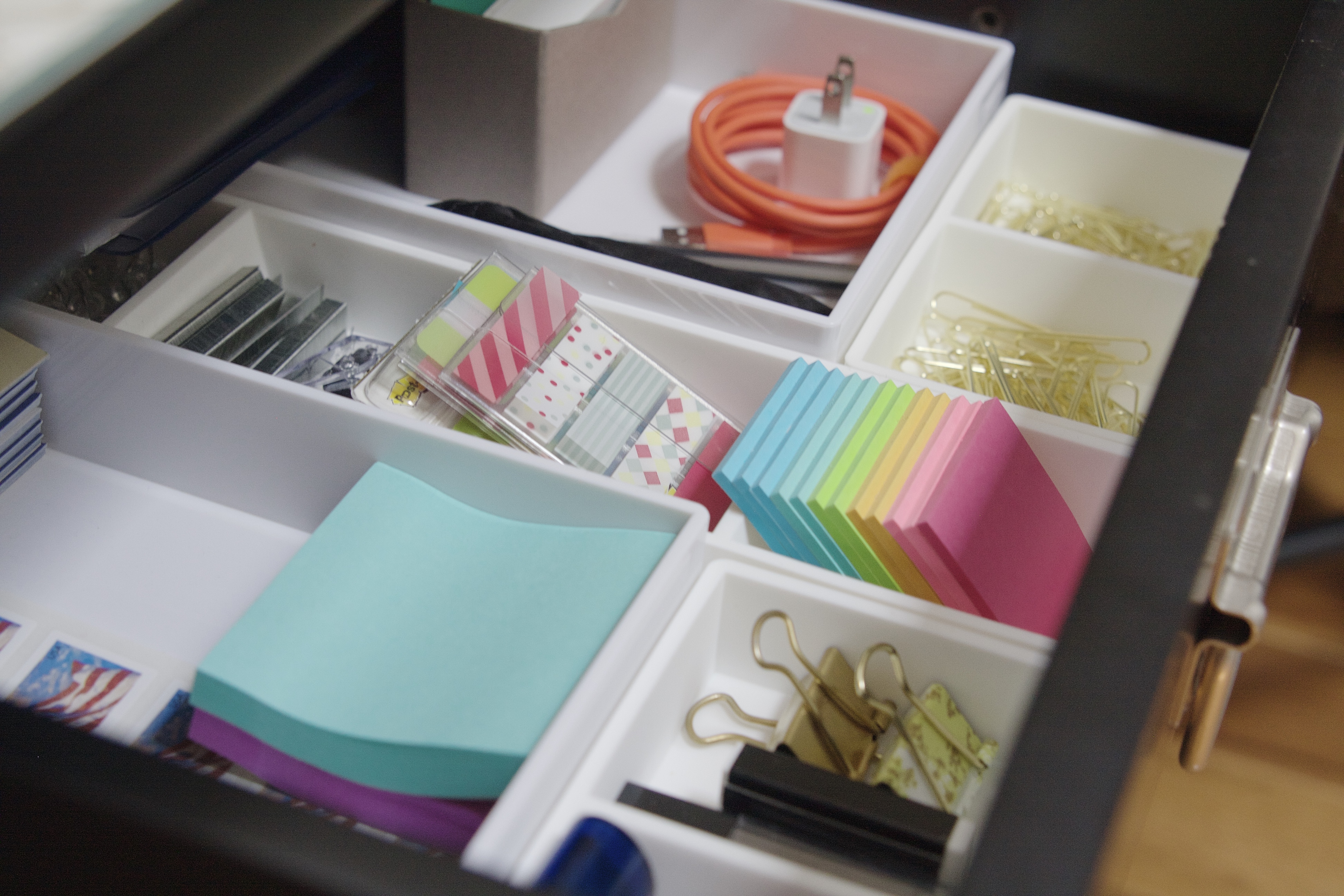
We’ve all been there: a tangled mess of cords behind the TV, snaking across the desk, or lurking in a drawer. It’s a modern-day monster, a visual assault that can make even the tidiest home feel chaotic. The good news? You don’t need to spend a fortune on fancy organizers to tame this beast. You probably have everything you need right now, hidden in plain sight.
The biggest obstacle most people face isn’t a lack of storage solutions, but a lack of a system. We often shove cords into drawers, hoping for the best, or leave them dangling, adding to the visual clutter. Another frequent misstep is failing to label or identify cords properly. This leads to unplugging the wrong device, creating even more frustration. Finally, many people underestimate the power of simple management techniques, like grouping similar cords or utilizing unused space. The assumption is always that a new product is needed, when in reality, a little ingenuity and some existing resources can make all the difference.
Let's start untangling this mess, literally and figuratively. First, gather all the cords you want to organize. This means unplugging everything – TVs, lamps, phone chargers – and collecting them in a central location. Before you even think about organizing, take inventory. Which cords are you actively using? Which are collecting dust, relics of long-gone gadgets? Be ruthless and declutter. If you haven't used it in six months, chances are you don't need it. Next, untangle everything. Yes, it’s tedious, but it’s essential. Once untangled, identify each cord. A simple piece of masking tape and a pen are your best friends here. Label both ends of the cord with what it belongs to – “TV Power,” “Laptop Charger,” “Lamp (Living Room).” This will save you a ton of time and frustration later. Now, it’s time to get creative with what you already have.
Taking a step back, it’s clear that organization is less about buying new things and more about rethinking how you use what you already have. Decluttering is a crucial first step – fewer cords, less mess. Labeling is non-negotiable, ensuring you know what everything is. And using common household items in innovative ways is the key to a budget-friendly and effective cord management system. By focusing on these principles, you can transform a chaotic cord situation into a streamlined and manageable space.
How to Organize Cords Without Buying Anything New: What You Need to Know
Organizing cords without spending money boils down to resourcefulness and a little DIY spirit. You’re essentially repurposing items you already have to create a system that works for you. The core principle is containment and labeling. Cords, when left to their own devices, have a natural tendency to tangle and create visual noise. Your mission is to corral them, keep them separated, and make them easily identifiable. Think of it as a minimalist approach to cord management – maximizing function with minimal resources. This approach isn’t just about aesthetics; it’s about improving functionality and preventing damage to your cords. Constant tangling and bending can shorten the lifespan of your cords, costing you money in the long run. Proper organization also makes it easier to access and use your electronics. No more wrestling with a mass of wires to find the right charger! The environmental impact is also worth considering. By decluttering and reusing items, you're reducing waste and contributing to a more sustainable lifestyle. This method encourages you to think creatively about how you use everyday objects, fostering a more mindful and resourceful approach to home organization in general.
Expert Tips for How to Organize Cords Without Buying Anything New
The key to mastering cord organization without spending money lies in understanding the different methods and applying them strategically based on your specific needs and the resources you have available. For example, toilet paper rolls or paper towel rolls, once emptied, are fantastic individual cord organizers. Simply fold the cord neatly, slide it into the roll, and label the roll with the corresponding device. Store these rolls in a box or drawer for easy access. Binder clips are another versatile tool. Use them to clip cords to the edge of your desk or table, preventing them from falling behind furniture. You can also use binder clips to bundle multiple cords together, keeping them neat and tidy. Bread tags, those little plastic pieces that hold bread bags closed, are surprisingly useful for labeling cords. Write the name of the device on the tag and attach it to the cord near the plug. Velcro straps or strips can be fashioned from old clothing or fabric scraps. These are perfect for wrapping up longer cords and preventing them from tangling. Consider using old eyeglass cases or small jewelry boxes to store charging cables and adapters. These cases keep everything organized and protected from dust and damage. Think vertically! Utilize wall space to hang cords and prevent them from cluttering surfaces. You can use command hooks, nails, or even repurposed coat hangers to create a simple cord-hanging system.
Latest Trends Related to How to Organize Cords Without Buying Anything New
While the core principle of organizing cords without new purchases remains the same – resourcefulness – current trends emphasize aesthetics and sustainability. People are increasingly looking for ways to make their cord management solutions visually appealing and eco-friendly. For instance, using natural materials like twine or jute to wrap cords is a popular trend. This adds a rustic, bohemian touch to your décor while keeping cords organized. Another trend is upcycling unusual items to create cord organizers. Think repurposing old tin cans, vintage boxes, or even repurposed book covers to create unique storage solutions. Minimalism continues to be a driving force, with people seeking to declutter their lives and minimize visual distractions. This translates to a focus on hiding cords completely or making them blend seamlessly with the surrounding environment. Smart home integration is also influencing cord management. As more devices become interconnected, there's a growing need for centralized cord management systems that can handle the complexity of multiple devices. People are using DIY techniques to create custom charging stations and cable management systems that integrate seamlessly with their smart home setup. Finally, there's a growing awareness of the environmental impact of electronics and cords. People are actively seeking ways to recycle old cords and reduce their consumption of electronic devices. This trend emphasizes the importance of extending the lifespan of your cords through proper organization and care.
Common Mistakes to Avoid in How to Organize Cords Without Buying Anything New
Even with the best intentions, it's easy to make mistakes when organizing cords without buying new items. One common error is simply shoving cords into containers without any attempt to untangle or label them. This creates a chaotic mess that’s just as frustrating as the original problem. Another mistake is using materials that are not suitable for cord management. For example, using rubber bands to wrap cords can damage the insulation over time, leading to potential safety hazards. Similarly, using containers that are too small can crimp the cords and shorten their lifespan. Neglecting to consider the layout of your space is another frequent oversight. Simply organizing cords without thinking about how they will be routed and accessed can lead to a cluttered and inefficient system. For instance, if you need to frequently access a particular cord, make sure it’s easily accessible and not buried beneath a pile of other wires. Failing to declutter unnecessary cords is another common pitfall. Holding onto old cords that you no longer use only adds to the clutter and makes it harder to organize the ones you actually need. Be ruthless and get rid of any cords that are obsolete or no longer functional. Finally, neglecting to maintain your cord organization system is a recipe for disaster. Cords tend to migrate and tangle over time, so it’s important to periodically check your system and make adjustments as needed. Schedule a regular cord organization audit to keep your space tidy and efficient.
How to Style How to Organize Cords Without Buying Anything New for Different Occasions
The "occasion" here is less about a specific event and more about the space you're organizing – each requires a slightly different approach. In a home office, functionality is paramount. You need easy access to power cords and device cables without sacrificing aesthetics. Use binder clips to neatly route cords along the back of your desk, keeping them out of sight. Repurpose a decorative box to hide a power strip, creating a clean and organized workspace. In the living room, the goal is to minimize visual clutter and blend cord management solutions with your décor. Use fabric scraps or old scarves to create decorative cord covers, concealing unsightly wires. Repurpose a decorative basket to store gaming console cords and accessories, keeping them within easy reach but out of sight. In the bedroom, prioritize safety and convenience. Use command hooks to run cords along the headboard or nightstand, keeping them off the floor and preventing tripping hazards. Repurpose an old jewelry box to store phone chargers and headphones, keeping them organized and easily accessible. In the kitchen, focus on practicality and hygiene. Use zip ties or Velcro straps to bundle appliance cords together, preventing them from dangling and getting in the way. Repurpose a small plastic container to store food processor attachments and blender cables, keeping them clean and organized. The key is to adapt your cord management solutions to the specific needs of each space, ensuring both functionality and aesthetics are considered.
Materials, Sustainability, and Design in How to Organize Cords Without Buying Anything New
When organizing cords using only existing materials, consider the properties of each material and how it will interact with the cords. Avoid materials that can damage the insulation or cause cords to overheat. For instance, rubber bands can degrade and become sticky, damaging the cord's outer layer. Sharp metal objects can also pierce the insulation, creating a safety hazard. Instead, opt for soft, flexible materials like fabric scraps, paper, or cardboard. These materials are less likely to damage the cords and can be easily repurposed. Sustainability is a key consideration. By repurposing existing materials, you're reducing waste and minimizing your environmental impact. Before discarding any items, consider whether they can be used for cord management. Old clothing, cardboard boxes, and plastic containers can all be transformed into useful organizers. Design plays a role in both functionality and aesthetics. Think about how you can use existing materials to create cord management solutions that are both practical and visually appealing. For instance, you can wrap cords in colorful fabric scraps to add a pop of color to your décor. You can also use decorative boxes or baskets to conceal unsightly cords and create a more organized and aesthetically pleasing space. The goal is to create a cord management system that seamlessly integrates with your existing décor and enhances the overall look and feel of your home. By combining sustainability, functionality, and design, you can create a cord management system that is both eco-friendly and visually appealing.
Shopping Guide: Choosing the Right How to Organize Cords Without Buying Anything New
This section is intentionally left blank because the entire premise of the article is toavoidbuying anything new. Therefore, a traditional shopping guide would be entirely contradictory. Instead, consider this a prompt for further exploration. What existing resources in your home could be used in new and innovative ways? Think beyond the obvious. Could an old t-shirt be cut into strips to create Velcro-like cord ties? Could a discarded cereal box be transformed into a desktop cord organizer? The challenge is to see the potential in everyday objects and to reimagine their purpose. This exercise not only saves money but also fosters creativity and resourcefulness. It encourages you to think outside the box and to find unique solutions to common problems. So, rather than focusing on what to buy, focus on what you already have and how you can use it in new and imaginative ways. The best cord organizer is often the one you create yourself, using materials that would otherwise end up in the trash.
Frequently Asked Questions About How to Organize Cords Without Buying Anything New
Here are some common questions people ask about organizing cords using only items they already own:
Q: What’s the best way to label my cords without buying a label maker?
A: Masking tape and a pen are your best friends! Cut small strips of masking tape, write the device name clearly on the tape, and attach it to both ends of the cord. You can also use bread tags or even small pieces of paper secured with clear tape. The key is to be consistent and to label both ends of the cord for easy identification.
Q: How can I hide cords that are running along the wall without buying cord covers?
A: Get creative with fabric scraps! Cut long strips of fabric that are wide enough to wrap around the cords. Secure the fabric with fabric glue, safety pins, or even double-sided tape. Choose fabrics that complement your wall color or add a pop of color to your décor. You can also use decorative vines or artificial plants to conceal cords along the wall.
Q: I have a ton of charging cables in a drawer. How can I organize them without buying individual organizers?
A: Toilet paper rolls or paper towel rolls are perfect for this! Fold each charging cable neatly and slide it into a roll. Label the roll with the corresponding device. Store the rolls in a box or drawer for easy access. You can also use old eyeglass cases or small jewelry boxes to store individual cables.
Q: My cords are constantly falling behind my desk. How can I prevent this without buying cable clips?
A: Binder clips are your solution! Clip the binder clips to the edge of your desk and thread the cords through the metal arms. This will prevent the cords from falling behind the desk and keep them within easy reach. You can also use command hooks to hang cords along the back of your desk, keeping them off the floor.
Conclusion of How to Organize Cords Without Buying Anything New
Reflecting on the journey to organized cords without spending money, the core takeaway is empowerment. You already possess the resources and creativity to transform a tangled mess into a streamlined system. It's about shifting your mindset from consumer to creator, seeing potential in everyday objects, and embracing a DIY approach. The benefits extend beyond a tidy space; it fosters resourcefulness, reduces waste, and creates a sense of accomplishment. So, before you reach for your wallet, take a look around your home. The solution to your cord chaos might be closer than you think.
Posting Komentar untuk "How to Organize Cords Without Buying Anything New"