How I Made My Small Living Room Look Bigger Without Renovation
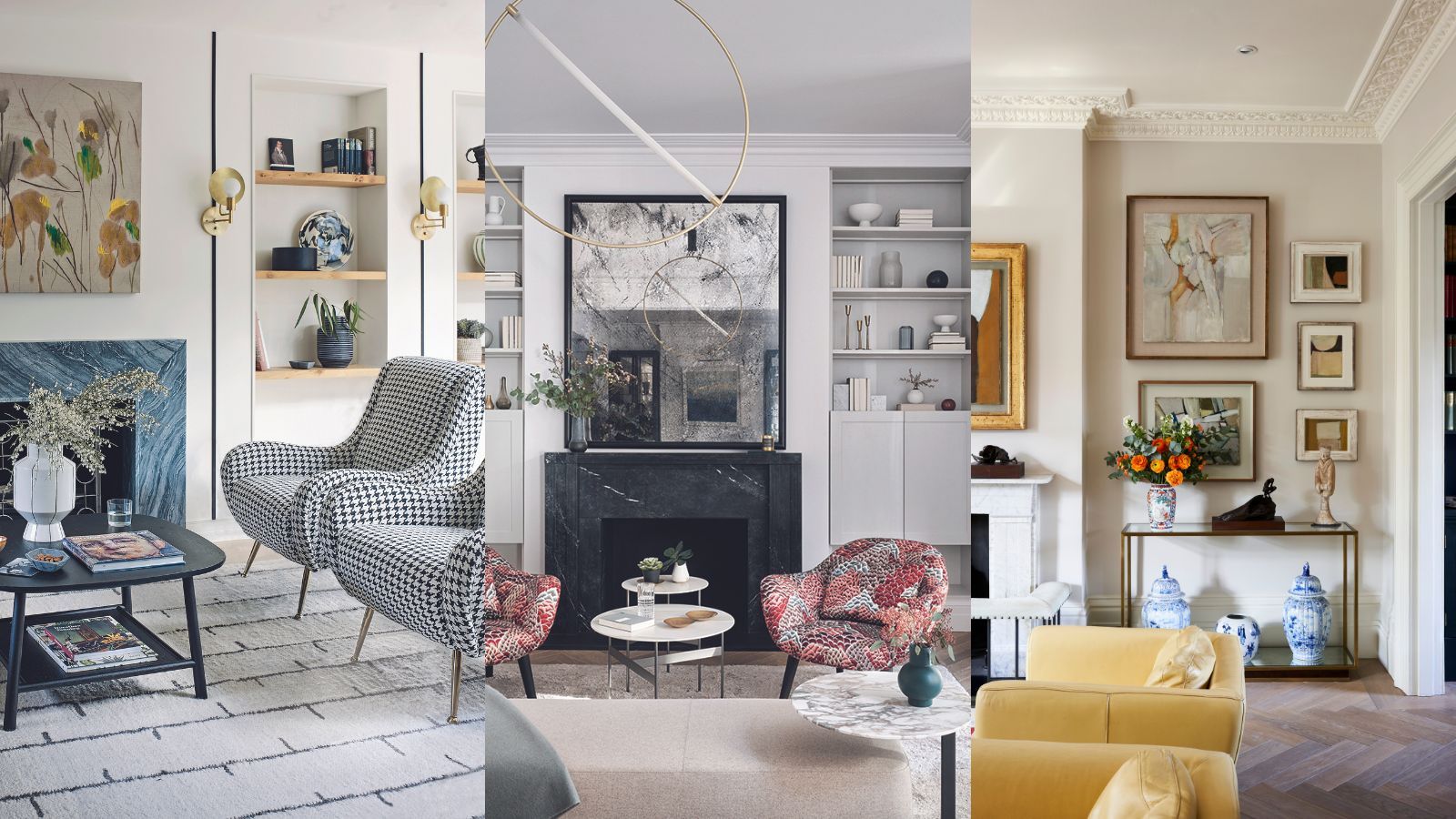
Have you ever walked into a small space and felt instantly claustrophobic? It's a real mood killer!
I know that feeling all too well. My living room was the size of a postage stamp, and no matter what I did, it always felt cramped and cluttered. I dreamed of a spacious, airy living room, but a full-blown renovation was completely out of the question. Sound familiar?
But here's the good news: you don't need to tear down walls to transform your tiny living room into a haven. With a few clever tricks and some strategic decorating, you can create the illusion of more space and make your living room feel much larger than it actually is. Let's unlock that potential!
This post will share the simple strategies I used to maximize space in my own small living room and make it feel brighter and more inviting. You’ll discover easy-to-implement tips and tricks that won’t break the bank and can be put into action immediately!
Transforming a Small Living Room: My No-Renovation Journey
Okay, so let’s dive into the nitty-gritty of how I tackled this tiny-room challenge. I started by acknowledging that the goal wasn’tactuallyto make the room physically bigger, but rather totrick the eyeinto thinking it was. That’s the key!
What causes a living room to feel small?
It's a combination of factors, really. Think about it: Clutter is the enemy: Piles of books, overflowing shelves, and too many knick-knacks visually shrink a space. It’s visual noise! Darkness descends: Poor lighting makes a room feel cave-like. A lack of natural light exacerbates the problem. Furniture follies: Bulky furniture overwhelms a small space. Oversized sofas and chairs eat up valuable square footage. Color catastrophes: Dark colors absorb light, making the room feel smaller. Conversely, some bright colors can be overwhelming if not used thoughtfully. Poor layout:A poorly arranged room can block the flow of movement and make the space feel cramped.
Knowing these culprits is half the battle. Now, let’s get into the solutions!
How can I improve the sense of space?
Alright, buckle up because this is where the magic happens!
1. Embrace the Power of Light (and Mirrors!)
This was my first (and arguably most impactful) move. Ditch the heavy curtains and opt for sheer or lightweight options that allow natural light to flood the room. If privacy is a concern, consider roller shades or blinds that can be adjusted to let in light while still providing coverage.
And speaking of light, add more of it! Layer your lighting with a combination of overhead fixtures, floor lamps, and table lamps. This creates a warm and inviting atmosphere and eliminates dark corners that can make a room feel smaller.
But the real game-changer? Mirrors! Strategically placed mirrors reflect light and create the illusion of more space. I hung a large mirror on one wall, and it instantly doubled the perceived size of the room. Position mirrors opposite windows to reflect the outdoor view and bring the outside in.
2. Declutter Like a Pro
Seriously, this is non-negotiable. Get rid of anything you don't need, use, or love. Be ruthless! Donate, sell, or toss it. Once you've decluttered, organize what's left. Use storage baskets, bins, and shelves to keep things tidy and out of sight.
Think vertically! Tall bookshelves and cabinets draw the eye upward, making the room feel taller and more spacious. Plus, they provide valuable storage space.
3. Choose Furniture Wisely
Scale matters! Opt for smaller, more streamlined furniture pieces that don't overwhelm the space. Instead of a bulky sofa, consider a loveseat or a sectional with a chaise. Choose chairs with open frames to allow light to pass through.
Multi-functional furniture is your friend. Think ottomans with hidden storage, coffee tables with lift-top functionality, and sofas that convert into beds. These pieces save space and provide extra functionality.
And consider clear furniture! Acrylic or glass tables practically disappear, creating a sense of openness.
4. Color Me Happy (and Light!)
Light and bright colors are your best friend in a small space. Opt for neutral walls, such as white, cream, or light gray. These colors reflect light and create a sense of spaciousness.
But don't be afraid to add pops of color! Use colorful accessories, such as throw pillows, blankets, and artwork, to add personality and visual interest without overwhelming the space.
Also, consider painting your trim and ceiling the same color as your walls. This creates a seamless look that visually expands the room.
5. Arrange with Intention
The way you arrange your furniture can have a huge impact on how spacious the room feels. Avoid pushing all your furniture against the walls. This creates a bowling alley effect that makes the room feel smaller.
Instead, float your furniture away from the walls to create a more inviting and spacious layout. Create conversation areas by arranging furniture around a focal point, such as a fireplace or a coffee table.
And don't block walkways! Ensure that there's plenty of space to move around the room without bumping into furniture.
What about specific space-saving tricks?
Oh, I've got a few!
Wall-mounted shelves: These are lifesavers. They take up zero floor space and provide ample storage and display space. Foldable furniture: Folding chairs and tables can be easily stored away when not in use. Vertical stripes: This is a classic trick. Vertical stripes on walls or curtains draw the eye upward, making the room feel taller. Keep the floor visible: Rugs are great, but don’t cover the entire floor. Showing some of the floor creates a sense of openness. Clear coffee table:A glass or acrylic coffee table almost disappears, creating the illusion of more space.
How can I avoid common decorating mistakes?
Good question! Here are some pitfalls to avoid: Overcrowding: Resist the urge to fill every corner with furniture and accessories. Less is more in a small space. Dark colors: While a dark accent wall can work, avoid painting the entire room a dark color. Ignoring lighting: Don't rely solely on overhead lighting. Layer your lighting to create a warm and inviting atmosphere. Blocking natural light: Keep windows clear and free of obstructions. Ignoring scale:Choose furniture and accessories that are appropriately sized for the space.
By avoiding these mistakes, you can create a living room that feels both stylish and spacious.
It's amazing how a few simple changes can transform a space. I was genuinely surprised at the difference these strategies made in my own living room. It went from feeling cramped and cluttered to feeling open, airy, and inviting. And the best part? I didn't have to spend a fortune or tear down any walls to achieve it.
Implementing these tips allowed me to change the entire atmosphere of my living room, and I am certain it can do the same for yours. Take a look around your space with a new perspective. What can be decluttered? Where can light be added? Which furniture pieces need a scale adjustment? Start small, be patient, and enjoy the process of creating a living room that you truly love.
Posting Komentar untuk "How I Made My Small Living Room Look Bigger Without Renovation"